Addis Ababa - Iran has carried out a series of strikes on Israeli and U.S. military installations across the Middle East, marking a significant escalation in regional tensions. According to Al Jazeera, Iran’s state media, the attacks were executed following full preparation by the country’s armed forces.
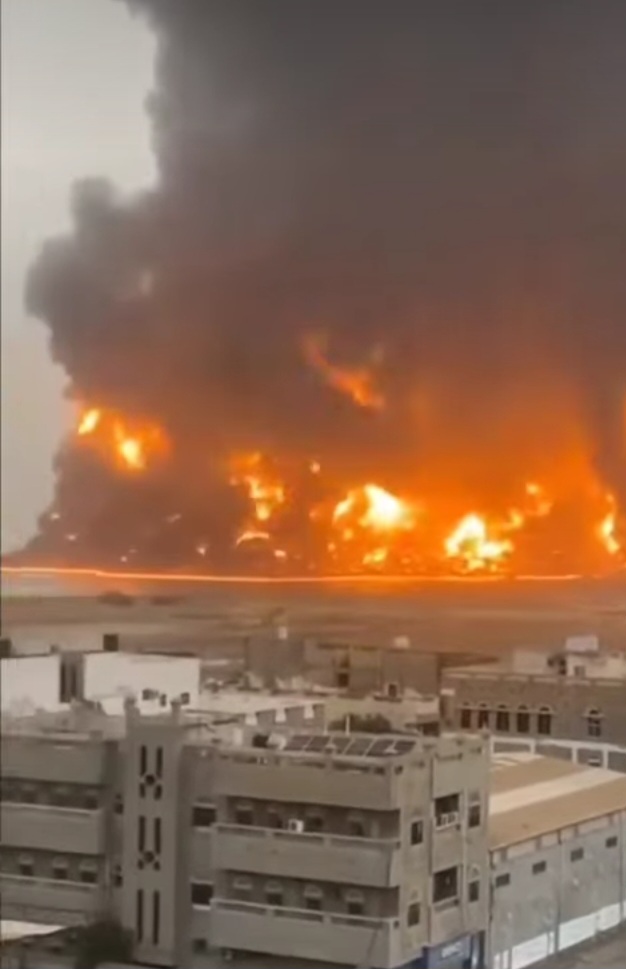
Reports indicate that Iranian missile units targeted northern Israel, with successive explosions reportedly heard across multiple regions. Israeli security authorities confirmed that several missiles entered the nation’s airspace, emphasizing the scale of the operation. The strikes are seen as Iran’s first direct military action in response to prior attacks attributed to Israel and the United States on Tehran.
In addition to Israel, Iran reportedly targeted U.S. military bases in Bahrain, Qatar, and the United Arab Emirates. These attacks signal a coordinated effort to respond simultaneously across multiple fronts, raising concerns about broader regional instability.
The Iranian government framed the strikes as a retaliatory measure to defend national sovereignty, underscoring Tehran’s readiness to respond to perceived aggression. Analysts suggest that these developments may trigger a heightened military alert across the Gulf and Israel, with potential implications for global energy markets and diplomatic relations.
This escalation comes at a time of already heightened tensions in the Middle East, where longstanding conflicts and geopolitical rivalries have made the region particularly sensitive to military provocations. International observers are closely monitoring developments, with calls for restraint and diplomatic engagement from multiple countries and organizations.
The Iranian strikes represent a decisive move to assert military capabilities and send a clear message to Israel, the United States, and regional partners. How these actions will influence future regional dynamics remains uncertain, but they underscore the volatile and complex security environment in the Middle East.