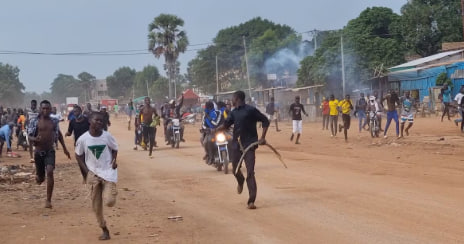
ADDIS ABABA - At least 33 individuals lost their lives in a violent confrontation between herders and farmers in Dibebe, located in Chad’s Hadjer-Lamis province, local authorities confirmed. The deadly altercation, which erupted over a long-standing dispute concerning a water well, reportedly traces its origins to 1967, underscoring the enduring nature of land and resource conflicts in the region.
Eyewitnesses described scenes of chaos as the altercation escalated rapidly, with both sides sustaining substantial casualties. “The conflict reignited long-standing grievances over access to vital water and grazing resources,” noted a local official. Security forces have since been deployed to the area to restore order and prevent further violence, though fears persist regarding the stability of the wider region.
Analysts emphasise that such incidents are symptomatic of broader challenges facing the Sahel. Rapid population growth, environmental degradation, and desertification are placing unprecedented pressure on already scarce arable land and water sources. These structural pressures often exacerbate inter-communal tensions, turning historical disputes into deadly confrontations.
“The Sahel remains acutely vulnerable to recurrent cycles of violence,” warned an expert on regional security. “Without sustained interventions addressing both resource management and community reconciliation, these clashes are likely to continue with tragic consequences.”
Humanitarian organisations have expressed concern for affected communities, highlighting the urgent need for emergency assistance and longer-term strategies to mitigate the risk of future conflicts. Access to safe water, equitable land allocation, and strengthened local governance are seen as critical measures to reduce the likelihood of further bloodshed.
As the Sahel grapples with the dual pressures of climate change and demographic growth, the Dibebe tragedy serves as a stark reminder of the fragility of rural livelihoods and the devastating human cost of unresolved resource disputes.