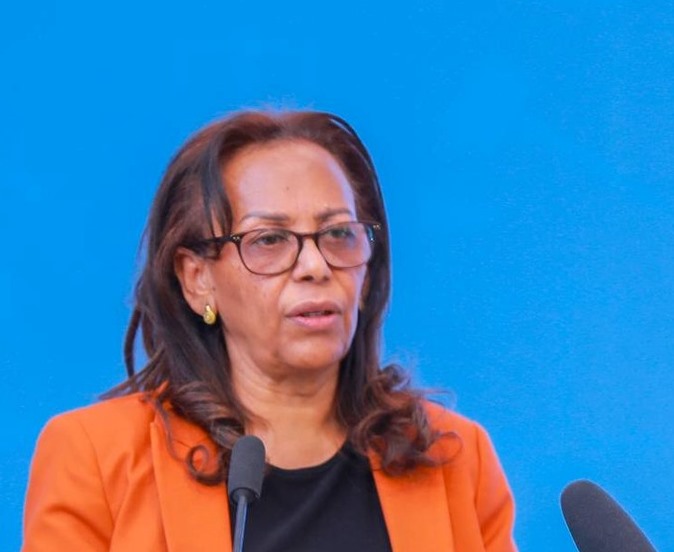
Addis Ababa — Senior political figure Getachew K. Reda has publicly criticized opposition leader Jawar Mohammed, accusing him of conflating personal opposition to Prime Minister Abiy Ahmed with what he described as Ethiopia’s long-term national and strategic interests.
In a sharply worded statement, Getachew argued that disliking the ruling party does not absolve political actors from distinguishing between “regime politics and state or national interests.” He claimed Jawar has repeatedly attacked Ethiopia’s efforts to safeguard its strategic position amid the ongoing conflict in Sudan, presenting facts “detached from broader strategic context.”
Getachew questioned whether Ethiopia should act as a passive observer in what he described as a region marked by intense geopolitical competition. He emphasized that Sudan’s instability directly affects Ethiopia and that the country has significant stakes in the outcome of the conflict.
According to Getachew, regional actors — including Egypt — are actively shaping developments in Sudan to align with their own interests, arguing that Ethiopia is not unique in pursuing its national security priorities.
He further criticized what he characterized as “moral posturing” in matters of foreign policy, stating that while policy critique is legitimate, reducing every government move to strategic failure due to partisan opposition risks undermining serious analysis.
In his remarks, Getachew also suggested that political leaders with national ambitions must demonstrate the ability to separate temporary government leadership from enduring state interests. Governments change, he noted, but geography and strategic realities remain constant.
Jawar Mohammed has not yet issued a response to the comments. The exchange reflects ongoing tensions within Ethiopia’s political discourse, particularly over foreign policy, national security, and the country’s role in regional affairs.
Observers say the debate underscores broader divisions about how Ethiopia should navigate the Sudan crisis and balance domestic political rivalry with long-term state interests.