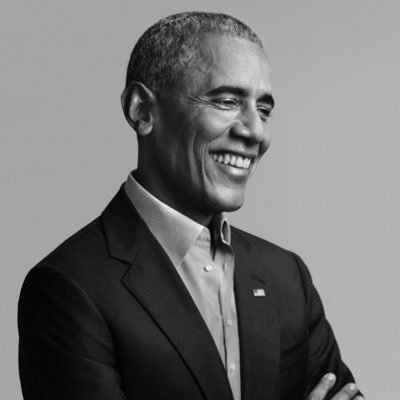
New York - Former President Barack Obama on Thursday sharply criticized the administration of Donald Trump after it repealed the federal government’s “endangerment finding,” a scientific determination that has underpinned U.S. limits on greenhouse gas emissions for more than a decade.
“Today, the Trump administration repealed the endangerment finding: the ruling that served as the basis for limits on tailpipe emissions and power plant rules,” Mr. Obama wrote on social media. “Without it, we’ll be less safe, less healthy and less able to fight climate change — all so the fossil fuel industry can make even more money.”
The endangerment finding, first issued by the Environmental Protection Agency in 2009, concluded that greenhouse gases threaten public health and welfare. That determination provided the legal foundation for regulating carbon dioxide and other emissions under the Clean Air Act, including rules governing vehicle tailpipes and power plant pollution.
Supporters of the repeal have argued that rolling back the finding would ease regulatory burdens on industry and lower energy costs. Critics, including many climate scientists and environmental advocates, warn that dismantling the measure could weaken federal authority to curb emissions at a time when global temperatures are rising and extreme weather events are becoming more frequent.
Mr. Obama, who made climate policy a central part of his presidency, has periodically spoken out against efforts to unwind environmental regulations enacted during his administration. During his tenure, the United States joined the Paris climate agreement and introduced stricter fuel efficiency standards for vehicles.
The Trump administration has maintained that its environmental rollbacks are aimed at promoting economic growth and energy independence. Environmental groups have signaled they are likely to challenge the repeal in court, arguing that the scientific basis for the endangerment finding remains strong.
The long-term impact of the repeal may hinge on legal battles and on the outcome of future elections, which could determine the direction of federal climate policy.