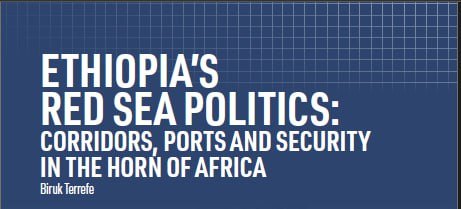
Addis Abeba:— The International Crisis Group’s decision to list Eritrea–Ethiopia among its “conflicts to watch” has drawn sharp criticism from commentators who argue that the assessment misreads political realities in the Horn of Africa and obscures responsibility through false equivalence.
Critics contend that the report fails to clearly identify the source of escalating rhetoric. They note that Eritrea has not issued public threats, territorial claims, or policy statements indicating an intention to engage in war. By contrast, recent discourse from senior Ethiopian officials and affiliated commentators has included repeated references to access to the Red Sea and regional ports, language that neighboring states interpret as destabilizing.
The Crisis Group’s analysis is also faulted for overlooking Ethiopia’s internal fragility. Ongoing armed confrontation in the Amhara region, persistent insecurity in Oromia, and unresolved political and security fallout from the Tigray war complicate Addis Abeba’s strategic posture and, critics argue, create incentives to externalize domestic pressures.
Historical context is another point of contention. Eritrea accepted the binding ruling of the Eritrea–Ethiopia Boundary Commission after the 1998–2000 war, while Ethiopia delayed implementation for years. Observers argue that presenting both states as equal contributors to current tensions disregards this record.
Analysts warn that ambiguity framed as neutrality risks misleading policymakers. Accurate conflict prevention, they argue, depends on clarity about intent, internal stability, and adherence to international obligations, rather than symmetrical alarms divorced from context.